The Dolomites & Alpine Lakes: High Pass Logistics, Hiking Windows & Como Shores
Evaluating high-altitude weather windows, mountain hut etiquette, toll road rules, and lakeside water networks.
1. Seasonal Windows & Weather Volatility
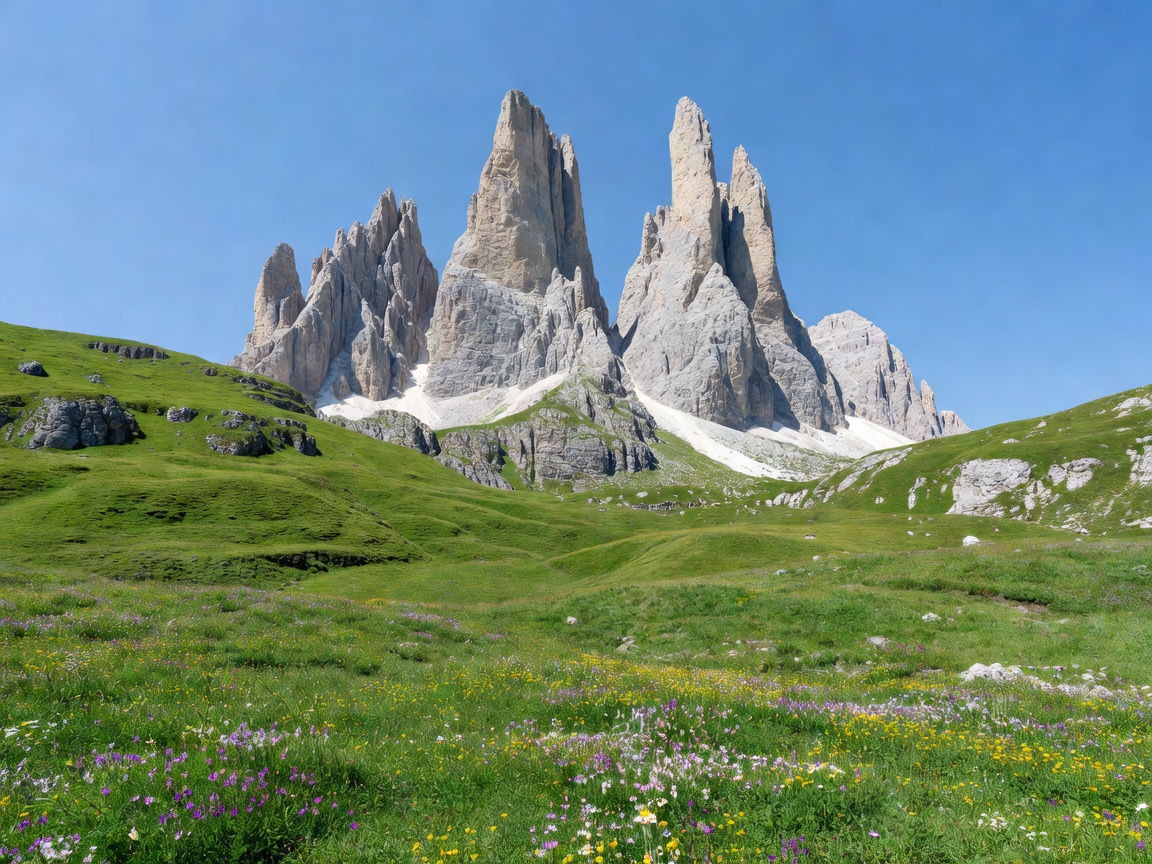
The Dolomites (Dolomiti), designated a UNESCO World Heritage site across Trentino-Alto Adige and the Veneto, feature sheer limestone towers rising dramatically above green pastures. Travel planning here differs radically from urban Italy: high mountain hiking passes and chairlifts operate strictly according to snow conditions. The summer alpine season is remarkably short, spanning from mid-June through late September.
Before late June, high-altitude passes such as Passo Pordoi, Passo Sella, and Passo Gardena may retain heavy snowpacks, and high mountain huts (rifugi) remain shuttered. By late October, the first winter blizzards often arrive, closing roads without snow chain equipment. Afternoon thunderstorms are frequent in July and August; mountain trekkers must begin high-ridge routes early in the morning and aim to conclude outdoor exposure before 14:00.
2. Tre Cime di Lavaredo & Lago di Braies Access Rules
Two of the most popular natural landmarks in the eastern Dolomites—Tre Cime di Lavaredo and Lago di Braies (Pragser Wildsee)—have implemented strict capacity controls to prevent environmental degradation and gridlock on single-lane access roads.
Mandatory Vehicle Reservations
For Lago di Braies, private vehicle access through the Prags Valley is restricted between July 10 and September 10 from 09:30 to 16:00 unless you possess an advance transit permit, restaurant reservation, or verified public shuttle ticket booked online.
Similarly, the toll road from Misurina up to Rifugio Auronzo at the base of the Tre Cime charges a vehicle toll and closes its entry barrier once the high-altitude parking capacity is reached, typically before 08:30 during August. Travelers without reservations must utilize regional public shuttle buses from Dobbiaco (Toblach) or hike the steep approach from the lower valley floor.
3. Mountain Hut Culture (Rifugio) & Trail Etiquette
Italy’s mountain rifugi offer meals and overnight dormitory accommodations on high ridge lines. Staying in a rifugio requires adherence to strict alpine etiquette: outdoor trekking boots must be removed at the entrance in exchange for house slippers or clogs; guests must carry their own lightweight sleeping bag liner (sacco lenzuolo); and water conservation is mandatory due to limited mountain rain catchment systems.
Dormitory bunks and half-board accommodations (dinner and breakfast) must often be reserved five to eight months ahead for the high summer season. Payment at remote mountain huts is often cash-only due to unpredictable satellite telecommunication links.
4. Mountain Passes vs. Subalpine Lake Como Logistics
| Destination Sector | Terrain & Elevation | Primary Mobility Mode | Logistical Priorities |
|---|---|---|---|
| Val Gardena / Alpe di Siusi | High alpine plateau (1,800m–2,400m) | Cable cars, mountain pass buses, limited cars | Alpe di Siusi road closed to private cars 09:00–17:00; use Seis cableway |
| Cortina d'Ampezzo | Broad valley encircled by towering peaks | Rental car recommended; regional Dolomiti Bus | Strategic base for Falzarego, Giau, and Tre Cime access |
| Lake Como (Mid-Lake Triangle) | Deep glacial fjord lake; lakeside towns | Navigazione Laghi passenger ferries and car ferries | Never drive between Bellagio, Varenna, and Menaggio; use triangular ferry pass |
| Lake Garda (Northern Tip) | Wind-swept alpine fjord surrounded by sheer cliffs | Regional roads; wind-sport catamarans | High morning winds (Pelér) and afternoon breezes (Ora) dictate lake activity |
5. Ladin & South Tyrolean Alpine Gastronomy
The culinary identity of the northern mountain provinces is shaped by Germanic and Ladin traditions rather than classical Mediterranean tomato bases. In South Tyrol (Alto Adige), bilingual menus reflect this heritage.
Staples include Canederli (bread dumplings enriched with speck cured ham or alpine cheeses, served in rich beef broth or browned butter), Schlutzkrapfen (rye pasta pockets stuffed with spinach and ricotta), and polenta served with wild mountain chanterelles. Pair meals with local white varietals such as Kerner, Sylvaner, or crisp Pinot Bianco.