Rome: The Ancient Axis, Papal Collections & Neighborhood Rhythm
A practical study of queue mechanics, cross-Tiber mobility, and residential dining customs across the Italian capital.
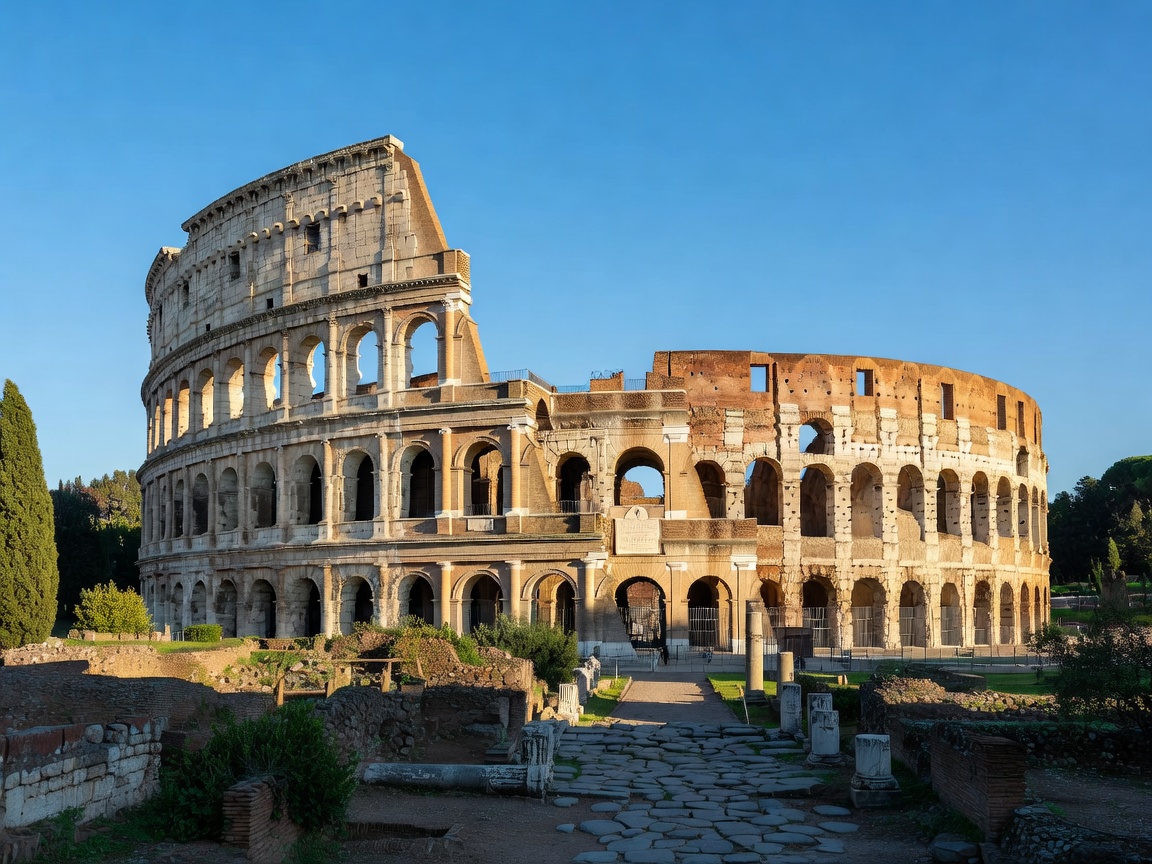
1. Navigating the Monumental Archaeological Axis
Few urban landscapes pack as many historical layers into a walking quadrant as Rome’s monumental spine, extending from the Piazza Venezia down along Via dei Fori Imperiali to the Colosseum and Palatine Hill. Understanding how to interact with this concentrated corridor requires recognizing that the Colosseum, Roman Forum, and Palatine Hill operate as a unified archaeological park under synchronized ticketing controls.
Entry tickets are issued on strict personal nominative terms: every ticket must carry the legal passport name of the bearer, and checks at security turnstiles are verified against government identification. Standard general-admission passes allow 24-hour access to the Forum and Palatine slopes with a fixed 15-minute entrance window for the amphitheater arena. Those wishing to inspect the hypogeum (subterranean staging corridors) or attic tiers must book specialized guided allocations released up to 30 days beforehand.
To avoid peak heat and crushing mid-day tour bus clusters, schedule your Colosseum time slot for either the opening window (08:30–09:15) or late afternoon two hours before gate closure. The Palatine Hill entrance via Via di San Gregorio regularly experiences far shorter physical security lines than the primary Colosseum plaza gate.
2. The Vatican City Complex: Museums, St. Peter’s & Borgo
Vatican City sits on the western embankment of the Tiber River, functioning as an independent sovereign state surrounded by the Prati and Trionfale quarters. The Vatican Museums and the Sistine Chapel demand advance reservation; same-day walk-up queues on Viale Vaticano can surpass three hours during spring, autumn, and summer.
Crucial Vatican Logistics
Modest dress rules are strictly enforced at both the Vatican Museums and St. Peter’s Basilica: shoulders and knees must remain covered for all visitors, regardless of temperature. Backpacks larger than compact daypacks must be checked at the museum cloakroom, which requires retrieving them before entering St. Peter’s.
St. Peter’s Basilica itself is free of charge to enter, but passing through security scanners in St. Peter’s Square regularly takes 45 to 90 minutes from mid-morning through mid-afternoon. If you intend to ascend the Basilica Dome (Cupola), tickets are sold inside the portico with an option for stairs-only or partial lift access followed by narrow winding corridors inside the inner dome lining.
3. Baroque Center Walkway: Trevi, Pantheon & Piazza Navona
The dense historic core (Centro Storico) is predominantly pedestrian, characterized by narrow cobblestone alleys (sanpietrini) that render wheeled suitcases and high heels impractical. A coherent walking loop links the Trevi Fountain, the Pantheon in Piazza della Rotonda, and Piazza Navona with its Bernini fountains.
Due to intense foot-traffic pressure, the Pantheon requires timed entry ticketing on weekends and public holidays. Visiting early in the morning before 09:30 or later in the evening after 18:00 allows you to experience the marble interior and dramatic central oculus without the acoustic roar that characterizes high noon.
4. Comparative Analysis: Roman Neighborhood Bases
| Neighborhood | Atmosphere & Terrain | Transit Accessibility | Best Suited For |
|---|---|---|---|
| Monti | Sloping lanes, independent boutiques, casual piazza life | Metro Line B (Cavour / Colosseo) | Couples, walking enthusiasts seeking central proximity |
| Trastevere | Lively dining alleys, medieval churches, loud evening crowds | Tram 8 to Piazza Venezia; limited rail | Nightlife, dining seekers; less convenient for early trains |
| Prati | Wide grid avenues, Art Nouveau palazzi, quieter residential streets | Metro Line A (Ottaviano / Lepanto) | Family travelers, Vatican proximity, shopping along Via Cola di Rienzo |
| Testaccio | Authentic Roman culinary history, former industrial slaughterhouse art spaces | Metro Line B (Piramide), Roma Ostiense rail | Serious food travelers seeking authentic trattorie |
5. Roman Culinary Lexicon & Table Culture
Authentic Roman dining revolves around simple, historic peasant staples anchored by Pecorino Romano cheese, black pepper, and cured pork cheek (guanciale). When scanning restaurant chalkboards, note the traditional four classic pastas: Cacio e Pepe, Gricia, Carbonara, and Amatriciana.
Expect a small seated charge known as coperto or bread service on the check. Tipping is not customary in the manner of North American percentages; rounding up the total to the nearest round euro figure or leaving a couple of euros in cash is standard acknowledgment for attentive table service.